Press Releases
BADIL Successfully Completes its 2026 International Mobilization Course on the Inalienable Rights of the Palestinian People
(Bethlehem, 6 November 2026)
BADIL Resource Center for Palestinian Residency and Refugee Rights has successfully concluded its 2026 International Mobilization Course on Inalienable Rights, bringing together an international cohort of activists, researchers and advocates from across the globe. Held in Palestine from 25 October to 5 November 2026, the course provided participants with an opportunity to deepen their understanding of the Palestinian struggle through an intensive program of knowledge building, discussions and visits.
Combining political and legal discussions with direct engagement with Palestinian communities, the program connected the historical roots of the Palestinian question with the realities of the ongoing Nakba, offering participants a deeper understanding of Palestine through its history, geography, people and culture.
The educational program addressed several key themes, including the Ongoing Nakba, the fragmentation of the Palestinian people, the situation of Palestinian political prisoners, the right to return and reparations, and international complicity in sustaining the Israeli regime. Participants examined the legal and political responsibilities of third states and explored strategies for strengthening international mobilization, advocacy and solidarity.
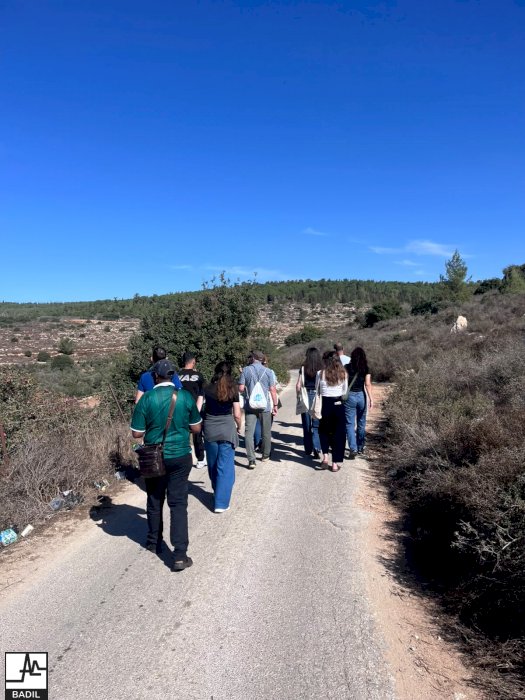
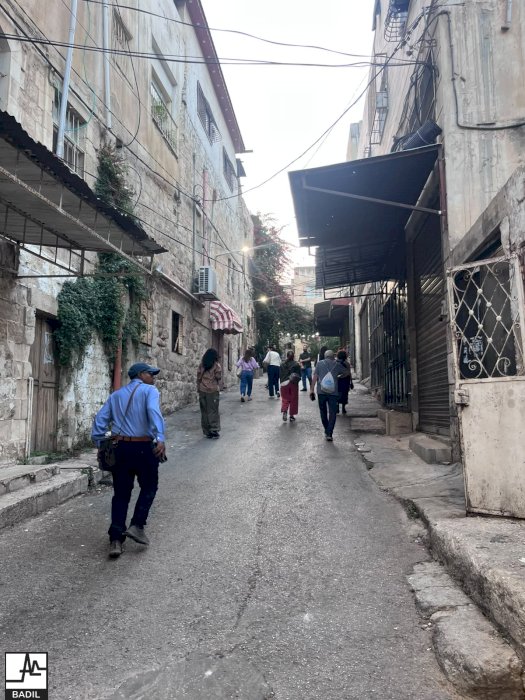
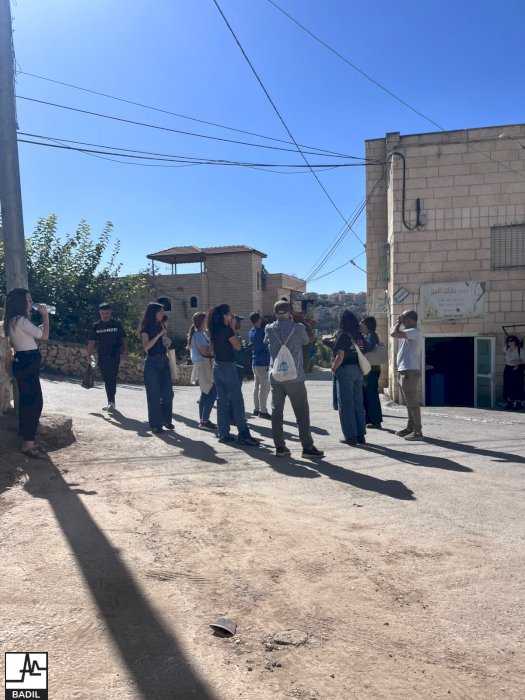
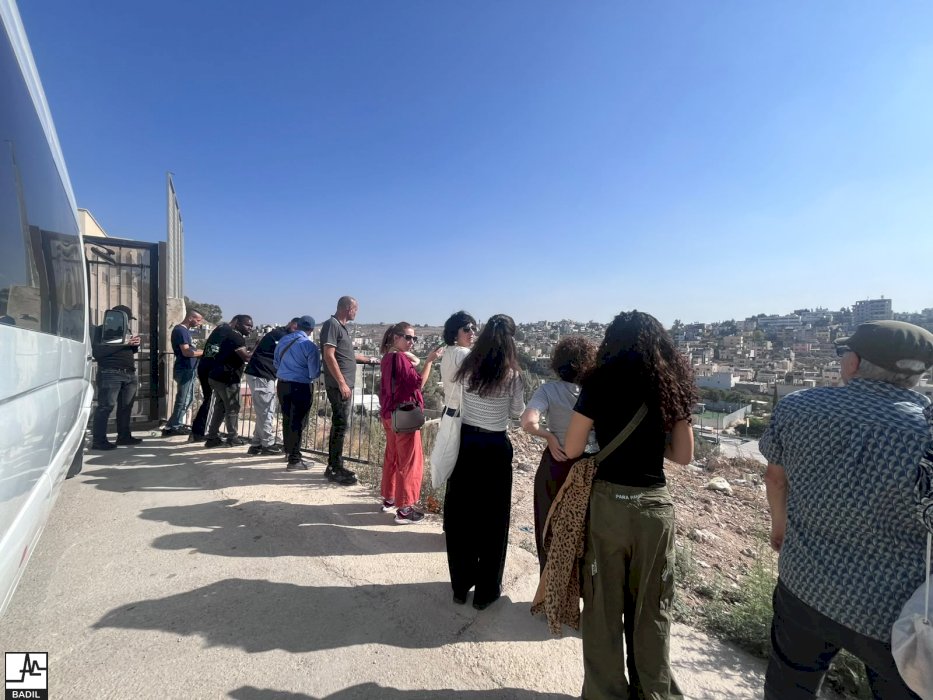
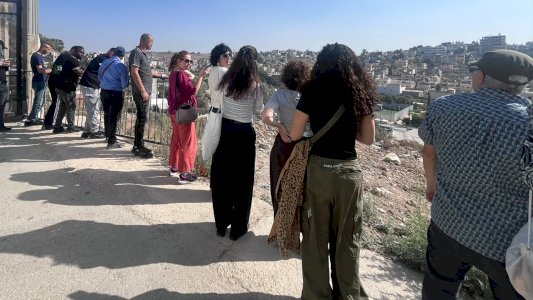
An important component of the course was its extensive field program, which offered participants the opportunity to experience different geographical and historical dimensions of Palestine. Walking tours through Palestinian villages introduced participants to the histories of displacement, dispossession and community resistance, while visits to sites in 1948 Palestine provided further insight into the Nakba, the destruction and depopulation of Palestinian villages.
Visits to Palestinian refugee camps provided opportunities to witness histories and stories that remain central to the Palestinian struggle for the right of return. Through direct engagement with residents and community representatives, participants explored the intergenerational experience of displacement, the conditions facing Palestinian refugees and the continued significance of refugee identity, collective memory and political mobilization.
The program also incorporated cultural activities and opportunities to engage with Palestinian heritage and everyday life. Through encounters with local communities, Palestinian traditions and cultural expression, participants gained a deeper appreciation of the richness and diversity of Palestinian society, as well as the importance of preserving and transmitting Palestinian identity across generations.
These experiences were complemented by discussions on how international activists and organisations can translate their understanding into meaningful political action. Participants explored ways to challenge institutional complicity, advocate for comprehensive sanctions, strengthen solidarity networks and advance the realization of Palestinian inalienable rights within their respective national contexts.
Bringing together participants from different continents and political contexts, the course also provided a space for international exchange, shared learning and the development of connections between solidarity movements. The program sought to strengthen collective efforts towards ending international complicity and advancing Palestinian rights.