
Press Releases
The Myth of Electoral Change and the Waiting Game of Court Verdicts: Deferring Accountability and Entrenching Complicity
(Bethlehem, 24 September 2026)
As Palestinians across historic Palestine continue to face escalating Israeli colonial practices, international attention is once again directed towards the Israeli electoral cycle as though political change could alter the structures producing these crimes. Since 1948, successive Israeli administrations have maintained the same structures of dispossession, colony expansion, forced displacement, territorial fragmentation, apartheid, and denial of Palestinian self-determination and return. Electoral change does not dismantle these structures nor suspend the Israeli regime’s obligations under international law, nor those of third States to prevent, end, or refrain from assisting internationally wrongful acts. Waiting for elections, ‘negotiations’, or future political openings is a mechanism through which states defer accountability and maintain their complicity while the Israeli colonial-apartheid structure continues to operate.
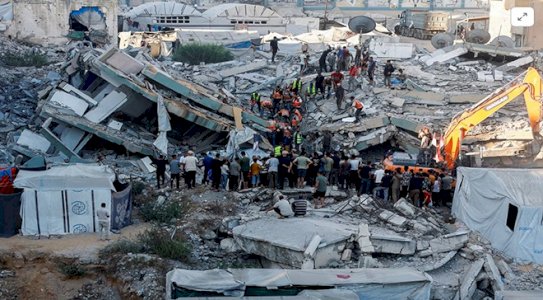
In Gaza, Palestinians continue to be killed by Israeli attacks that also destroy homes and infrastructure, while obstructing essential aid and services - perpetuating the genocide. The denial of meaningful reconstruction prevents displaced Palestinians from rebuilding their lives and returning to habitable homes. The recent collapse of a damaged residential building, which killed 21 Palestinians, underscores the lethal consequences of denying reconstruction efforts. In the West Bank, since the beginning of 2026, more than 4,100 Palestinians have been displaced through ‘lack-of-permit’ demolitions, colonizer attacks and related access restrictions. More than 1,600 colonizer attacks have been recorded across 275 Palestinian communities that have resulted in casualties, property damage or both. These are not the product of a particular electoral coalition, but manifestations of the ongoing Nakba and of the entrenched structures of dispossession, colony expansion, forced displacement, territorial fragmentation and discriminatory control that have been ongoing since 1948.
Yet international policy continues to treat political change within Israeli elections as a potential opening for addressing Palestinian rights and liberation. A new Israeli ‘moderate’ administration making limited concessions such as easing crossings and restrictions or permitting additional supplies would not reverse the embedded structures of settler-colonialism, forced displacement, apartheid that deny Palestinian self-determination and return. These root causes can only be dismantled through comprehensive sanctions, and a decolonial reparative solution - not replacing the leadership of the Israeli regime.
Nonetheless, accountability continues to be deferred not only to the outcome of Israeli elections, but also to the conclusion of international judicial proceedings. Neither provides a basis for postponing obligations that already arise under international law.
The provisional measures issued by the ICJ are not a procedural milestone to be superseded by a future final judgment. They themselves crystallise the legal urgency of ending genocide and outline the preventive responsibilities of third States. By ordering immediate measures to prevent acts falling within the Genocide Convention, the Court placed States on notice of the grave risk confronting the Palestinian people. The obligation of third States to prevent genocide is not suspended until the Court determines, years later, whether genocide has ultimately been established on the merits. States cannot weaponize judicial timelines to shield their complicity in Israeli crimes. States must take effective measures to prevent and bring the genocide and all Israeli crimes to an end.
The composition of the Israeli administration may change, but neither elections nor judicial timelines dismantle the regime confronting Palestinians across historic Palestine or restore the rights of those denied return. Ending the ongoing Nakba requires dismantling the structures that have produced and sustained it: colony expansion, dispossession, forced displacement, territorial fragmentation, apartheid, and the denial of Palestinian self-determination and return. Ultimately, deferral preserves Israeli impunity, where instead States must fulfil their existing international obligations by imposing comprehensive sanctions and ending the military, economic and diplomatic relations that sustain the Israeli regime and its colonial system.